
The new slabs: Reform or Correction
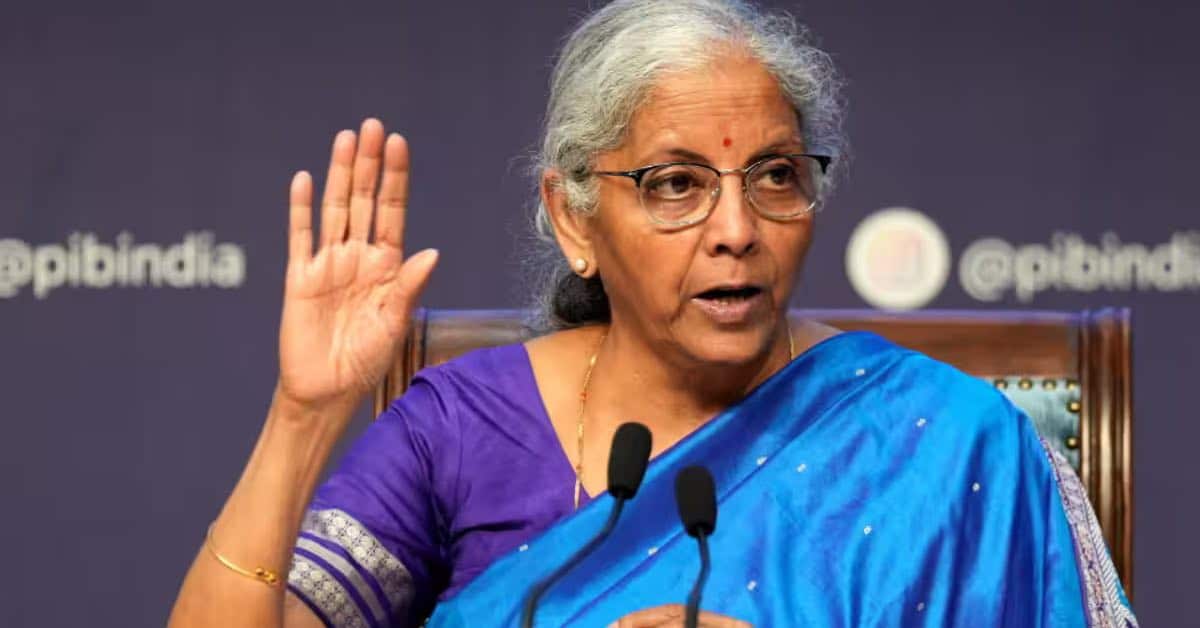
I woke up a few days ago to Finance Minister Nirmala Sitharaman’s announcement about the new tax slabs. It felt like a long overdue correction. For years, the Goods and Services Tax framework had four main slabs: 5, 12, 18, and 28%. That structure, while ambitious, often became too complicated for both businesses and consumers. The recent change to just two broad slabs of 5 and 18% is a breath of fresh air.
What stood out to me was the rationalization of exemptions, especially the much-needed relief on education and life-saving drugs, where the previous 12% has now been cut to zero. This move shows that the government has finally recognized the unfairness of taxing essential goods at unjustified rates. The big question is whether this is a real reform or just a fix for mistakes that should not have occurred.
When I think about how educational materials and medicines faced higher tax rates, I wonder how such a system was created in the first place. The idea of multiple slabs and extra cesses led to unnecessary confusion and a heavier compliance burden. Even though cess has not completely disappeared, the government deserves some credit for finally simplifying things.
In daily life, this shift feels significant. Basic goods like soaps, toiletries, and personal hygiene products have moved from the 18% slab to the 5% slab. These are essentials, not luxuries, and taxing them heavily was always counterproductive. Meanwhile, items historically labeled as luxuries, like air conditioners and televisions, which used to be at 28%, are now down to 18%. Whether these goods truly count as luxuries today is debatable, but at least the lower rate offers some relief to consumers.
The changes in the automobile sector is significant. Standard motor vehicles have been reduced from the 28% bracket to 18%. This could boost demand in an industry that has struggled with slow sales. However, exclusions remain for what the government still calls luxury vehicles, like cars above 1200 cc and motorcycles over 350 cc. These vehicles are now placed in a new 40% bracket, which includes cess.
This same 40% slab applies to sin goods and soft drinks, showing a mix of revenue needs and a push to discourage consumption. From a consumer perspective, this situation is mixed: the average middle-class buyer benefits, but those looking to buy a standard vehicle are penalized more heavily, even if government wanted to tax them, it was fair to keep it at 28%.
One of the most encouraging changes is the complete removal of GST on health insurance premiums, which were previously taxed at 18%. This isn’t just a small adjustment; it’s a bold policy move, especially since insurance coverage in India is still far below global levels. Lowering costs will likely help more people get coverage, benefiting families and the healthcare system overall. New reports state that health insurance providers have actually benefitted from GST, and they may consider a 5% hike to compensate. This opens up a bigger conversation on corporate profiteering, and I shall write about it someday soon.
However, even with these positive changes, I wonder if companies will pass on the tax savings to consumers or quietly increase their profit margins. The government has publicly stated, with Piyush Goyal affirming today, that it will keep an eye on manufacturers and service providers to make sure benefits reach buyers. Still, I feel that even if prices rise slightly, the overall reform is strong enough to positively impact demand.
GST was first introduced by the UPA government but was implemented in 2017 under the BJP government. The very government that created the multi-slab structure is now presenting its fixes as a success. Can the same group that implemented the system also claim credit for correcting its flaws without acknowledging its early mistakes? Personally, I don’t want to assign blame. I think that even if these changes come late, recognizing that corrections are being made is worth appreciating.
Yet, we cannot ignore the reasoning behind the timing. The ruling party did not prioritize simplification during its time of absolute majority. It seems that only after electoral setbacks, coalition pressures, the Vote Adhikar Yatra, controversies about vote manipulation, and important elections in Bihar did the urgency to respond to public sentiment finally take hold.
Beneath all this, there is a concern about fiscal federalism. States depend heavily on SGST collections, and a major overhaul of slabs will likely reduce their tax revenue unless consumption rises significantly. This puts states in a vulnerable spot, limiting their ability to pursue their own policies and welfare programs. Implementing new tax structures is often the easy part of governance, while managing their effects and handling the fallout is much more challenging. For me, this remains the central issue.
Yes, GST 2.0 brings necessary simplification, offers immediate relief to consumers, and could boost demand in various sectors. However, if state finances weaken and compliance issues come back, the long-term stability of this reform will depend on how well the government balances its revenue needs with the fiscal independence of the states.
